Methodology
Tiago Forte's PARA Method
The PARA Method: Organize Your Digital Life with Tiago Forte's Four Folders
Four folders for everything · Organise by actionability, not topic · CODE: Capture, Organise, Distill, Express · Progressive Summarization in layers
The PARA method sorts everything into four folders — Projects, Areas, Resources, Archives — by actionability, not topic. Tiago Forte's system, step by step.
Hot Topics
Substack and beehiiv
Substack and beehiiv Open Podcast Ads: A New Income Stream for Solo Creators
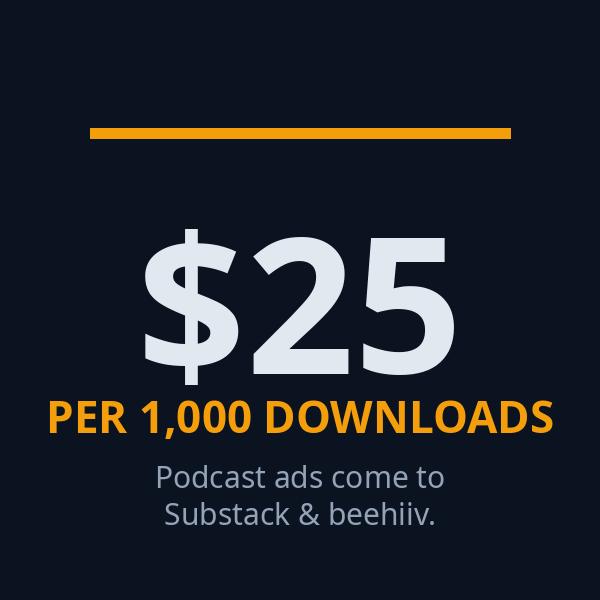
Substack opened early access Oct 21, 2026 · beehiiv launched Oct 27, 2026 · No download minimum on beehiiv · Substack podcasters earn $200M+/yr from subscriptions · Host-read mid-roll ≈ $25–$40 CPM
Substack and beehiiv both launched podcast advertising within six days. Dynamic ad insertion, no download minimums, and real CPM math for solo creators.
Methodology
Noah Kagan's Million Dollar Weekend
Validate a Business Idea in 48 Hours: Noah Kagan's Million Dollar Weekend Method
Golden Rule of Validation: 3 paying customers in 48 hours · $0 upfront · One-Minute Business Model · Dream Ten · Direct pre-sale, marketplace, or landing page
Noah Kagan's Million Dollar Weekend method: get three paying customers in 48 hours, before you build anything. A step-by-step playbook for solo founders.